
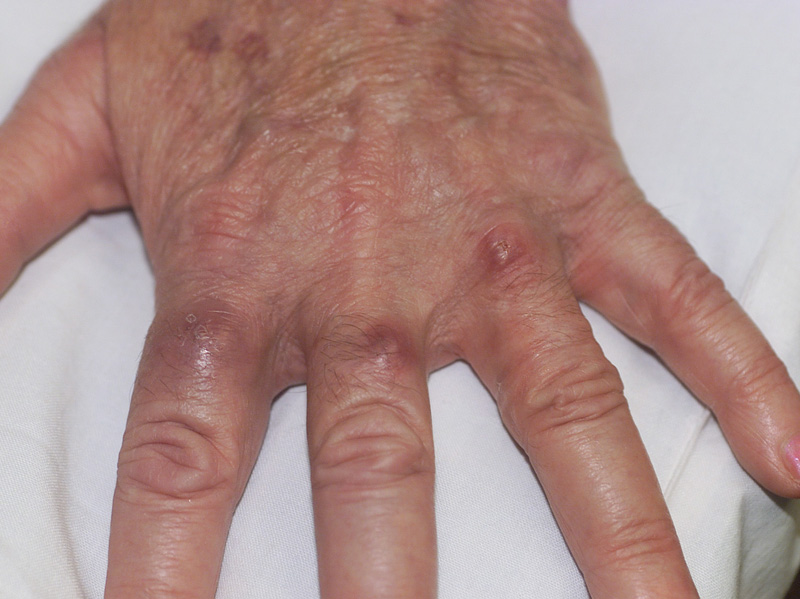
Non-tuberculous mycobacteria (NTM), also known as atypical mycobacteria, are a group of bacteria that are commonly found in soil, water, and animals. While they are not typically harmful to healthy individuals, they can cause infections in people with weakened immune systems or underlying lung disease.
NTM infections can be difficult to diagnose and treat, as they often mimic the symptoms of other respiratory illnesses, such as tuberculosis or pneumonia. Here’s what you need to know about NTM infections:
Symptoms: The symptoms of NTM infections can vary depending on the type of bacteria and the location of the infection. Common symptoms include:
- Cough
- Shortness of breath
- Chest pain
- Fatigue
- Fever
- Night sweats
- Weight loss
Risk Factors: People with weakened immune systems, such as those with HIV/AIDS, cancer, or autoimmune diseases, are at higher risk of developing NTM infections. Individuals with underlying lung disease, such as chronic obstructive pulmonary disease (COPD), bronchiectasis, or cystic fibrosis, are also at increased risk.
Diagnosis: Diagnosing NTM infections can be challenging, as they often require multiple tests and specialized expertise. Tests may include a chest x-ray or CT scan, sputum culture, bronchoscopy, or biopsy. In some cases, genetic testing may also be used to identify the specific type of bacteria causing the infection.
Treatment: Treatment for NTM infections typically involves a combination of antibiotics tailored to the specific type of bacteria and the severity of the infection. Treatment can last for several months or even years, and may require regular monitoring to ensure the bacteria are being effectively eliminated.
Prevention: Preventing NTM infections can be challenging, as the bacteria are commonly found in the environment. However, there are some steps that can be taken to reduce the risk of infection, such as:
- Avoiding exposure to contaminated water, soil, or animals
- Using a mask when handling soil or dust
- Maintaining good hygiene, such as washing hands regularly
- Managing underlying lung disease or other health conditions
In conclusion, NTM infections are a group of bacteria that can cause respiratory infections in individuals with weakened immune systems or underlying lung disease. Early diagnosis and treatment are crucial for effectively managing the infection and preventing complications. If you are experiencing symptoms of a respiratory infection, it’s important to consult with a healthcare provider for an accurate diagnosis and treatment plan.